Versatile equipment and attachments are helping crews maximize productivity while controlling equipment costs
Municipal crews and contractors are facing tighter schedules and increasingly complex seasonal demands.
As crews move through different seasonal priorities, from spring repairs to end-of-season maintenance, the ability to respond quickly and keep work moving is critical. In this environment, the question is no longer how much equipment is in the yard, but how effectively it can be used across different tasks.
As a result, many organizations are rethinking how they select and deploy equipment. Rather than maintaining a broad mix of task-specific machines, they are focusing on building curated fleets made up of versatile equipment that can adapt to changing demands.
The shift

The move toward curated fleets is being driven in large part by rising equipment costs. With higher capital investment tied to each purchase, fleet managers are placing greater emphasis on machines that can handle different types of work across the year.
Check out our guides and contractor resources section here.
“With equipment costs where they are, everyone is trying to do more with less,” said Jonathan Gardner, Construction Product Manager at Kubota Canada. “That’s leading people to focus on machines that can take on more than one job instead of buying something that only gets used occasionally.”
This shift is especially relevant in municipal and roadbuilding work, where seasonal priorities can change quickly. Equipment that can transition between tasks helps ensure crews remain productive without needing to expand the fleet.
Versatile equipment
At the centre of a curated fleet is equipment that can handle a wide range of applications. Instead of relying on multiple dedicated machines, crews are increasingly turning to platforms that can support different tools and adapt to varying job requirements.
The goal is to keep equipment active rather than idle. When a single machine can be used for grading, material handling and site cleanup, it becomes a consistent contributor to daily operations.
“You want a machine that is working all the time instead of sitting,” Gardner said. “If it can handle different types of jobs, it becomes much more valuable over the course of a season.”
This approach allows organizations to avoid unnecessary overlap in equipment while still maintaining the capability needed to complete a variety of tasks.
Attachments

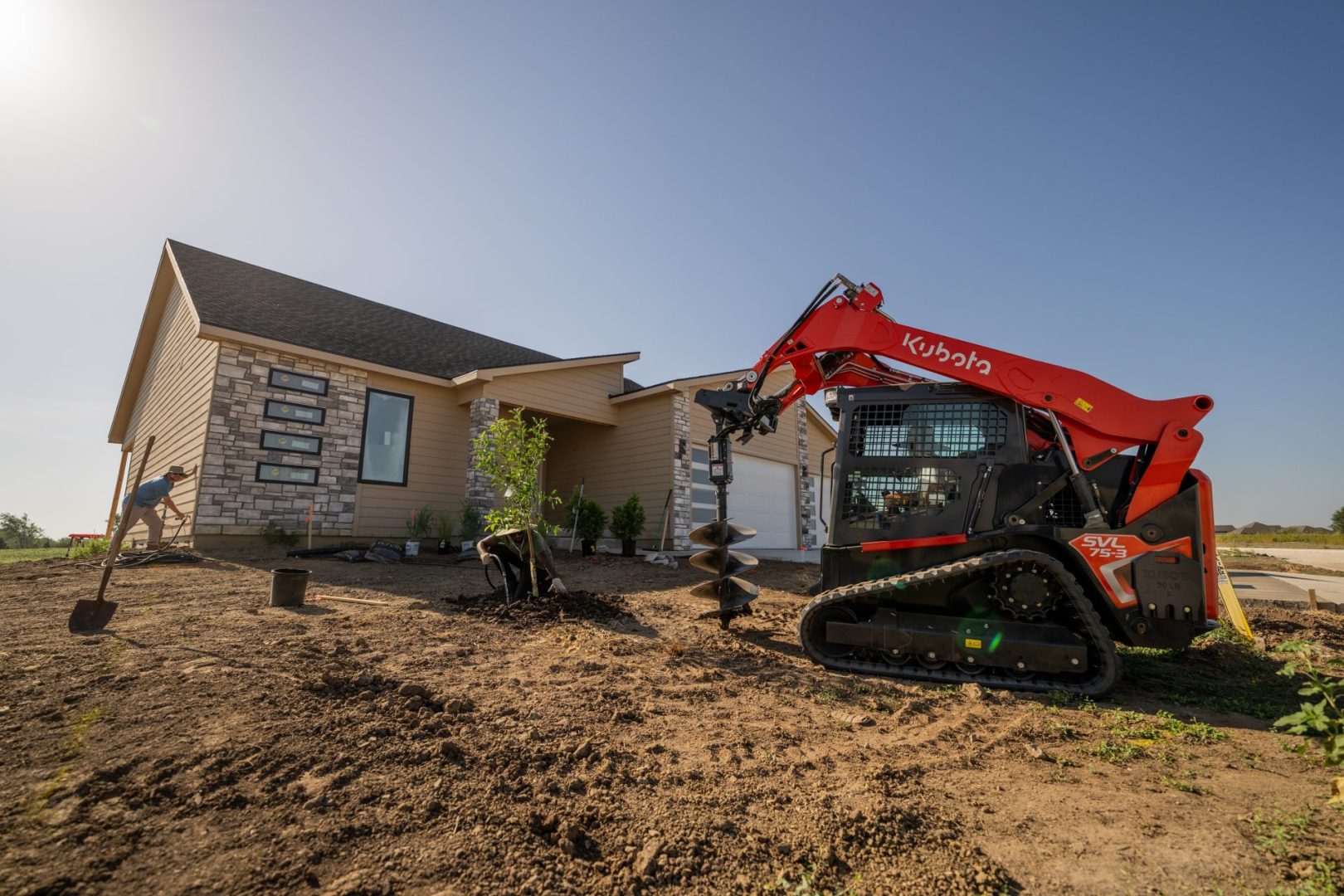
Attachments play a central role in making this strategy work. By expanding what a single machine can do, they allow crews to take on additional work without investing in new equipment.
For municipal operations, this flexibility is especially important. A single unit equipped with the right attachments can support activities such as surface preparation, debris removal and general site maintenance, all without requiring additional machines.
“Attachments are what really make the difference,” Gardner said. “It’s a lower cost way to add capability instead of buying another machine, and it’s easy to switch between them depending on the job.”
This ability to adapt quickly helps crews respond to shifting priorities while keeping costs under control.
Improving efficiency

A more focused fleet also has advantages at the operator level. When crews spend more time working with the same equipment, they develop a stronger understanding of how it performs in real conditions.
That familiarity leads to more efficient operation, as less time is spent adjusting to different machines. It also contributes to better maintenance practices, as operators become more aware of routine service needs.
“When operators are comfortable with a machine, they work more efficiently because they are not learning it every time they get in,” Gardner said.
“They also know what to look for when it comes to maintenance, which helps prevent issues.”
From a service standpoint, fewer machine types also simplify inventory management. Standardizing filters, fluids and parts reduces complexity and makes it easier to keep equipment in working condition.
Making smarter decisions

Even with a focus on versatility, building an effective fleet still requires careful decision-making. Fleet managers need to evaluate how often specific tasks occur and determine the most practical way to support them.
“The key is understanding how often you actually need something,” Gardner said. “If the work is there all the time and your current equipment cannot keep up, then it makes sense to add another machine. But if it is something you only need once or twice a year, renting is usually the better option.”
Attachments remain a consistent investment because they allow core equipment to stay productive across a range of applications.
Flexible fleet management
The shift toward curated fleets reflects a broader change in how organizations think about equipment. Success is no longer defined by the number of machines available, but by how effectively those machines are used.
By focusing on versatile equipment, expanding capability through attachments and making more strategic decisions about ownership, contractors and municipalities are building fleets that are better aligned with real-world demands.
In an environment where timing, cost control and reliability all matter, a smaller, more capable fleet can deliver the flexibility needed to keep work moving.