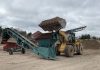

Liebherr has recorded a 400 per cent increase in demand for electrically powered mobile harbour cranes since 2019
Liebherr, a global supplier of mobile harbour crane technology, is recording rapid gains in the adoption of electric drives for the port machinery.
Liebherr has produced more than 2,000 mobile harbour cranes and about 1,600 machines are in active service across more than 100 countries.
Key regions have embraced electrically driven mobile harbour cranes, which underscores their growing importance and reinforces Liebherr’s role in the industry.
India leads in adoption, followed closely by Türkiye. In Europe, the Netherlands, France and Poland also demonstrate steady demand for e-drive technology, alongside the United States and the United Kingdom.
RELATED: LJP Construction expands its fleet of Liebherr cranes
Between 2019 and 2025, Liebherr recorded a significant increase of 400 per cent in its electric drive mobile harbour cranes. This substantial increase underlines the clear trend within the industry towards integrating more sustainable technologies in port operations.
“Our clients have benefited from the integration of electric drives into our product range for over two decades,” said Franz Findel, Product Manager at Liebherr-Rostock GmbH.
“Beyond the considerable reduction in carbon dioxide emissions and noise levels, e-drives require minimal consumables and feature fewer moving parts, significantly reducing maintenance demands and associated costs. These advantages contribute directly to improved overall efficiency and operational reliability, without sacrificing speed or lifting capacity.”
Retrofit possibilities

The Liebherr drive system portfolio continues to evolve with the different infrastructural and regulatory conditions across global ports. This means an electric drive is not just an option when building a new crane as existing machines can also be retrofitted. Cranes that have operated reliably for years can be converted from a diesel to e-drive, supported by Liebherr’s customer service network.
Via e-drive retrofits, port operators are not only responding to evolving circumstances, such as state funding programs or infrastructure expansion in ports, but are also modernizing their equipment to ensure continued successful operation with a focus on efficiency.
Future-ready solutions
During heavy lift operations, cranes often experience idle periods when no load is being moved. Due to idling periods, opting for an e-powered drive offers a significantly more sustainable solution. While a diesel engine will continue to emit about 24 kg of carbon dioxide per hour even when idling, the e-drive consumes no extra energy during a pause in work.
When powered by renewable energy sources, the environmental benefits improve, handling operations at the quayside with an electric Liebherr mobile harbour crane can reduce carbon dioxide emissions by up to 100 kg per hour compared to a diesel driven mobile harbour crane.
Alongside environmental advantages, e-drive mobile harbour cranes also deliver economic and operational benefits.
Many countries offer attractive subsidies for the adoption of alternative energy technologies, supporting industries in meeting national carbon dioxide reduction targets. As well, electric drives require less maintenance than their diesel counterparts, eliminating the need for oil changes, fluid checks and filter replacements.
A reduction in maintenance not only reduces operating costs but also simplifies service routines, making the e-drive a suitable choice for efficient and responsible port operations today.